



- Sheet Material
- Boat Kits
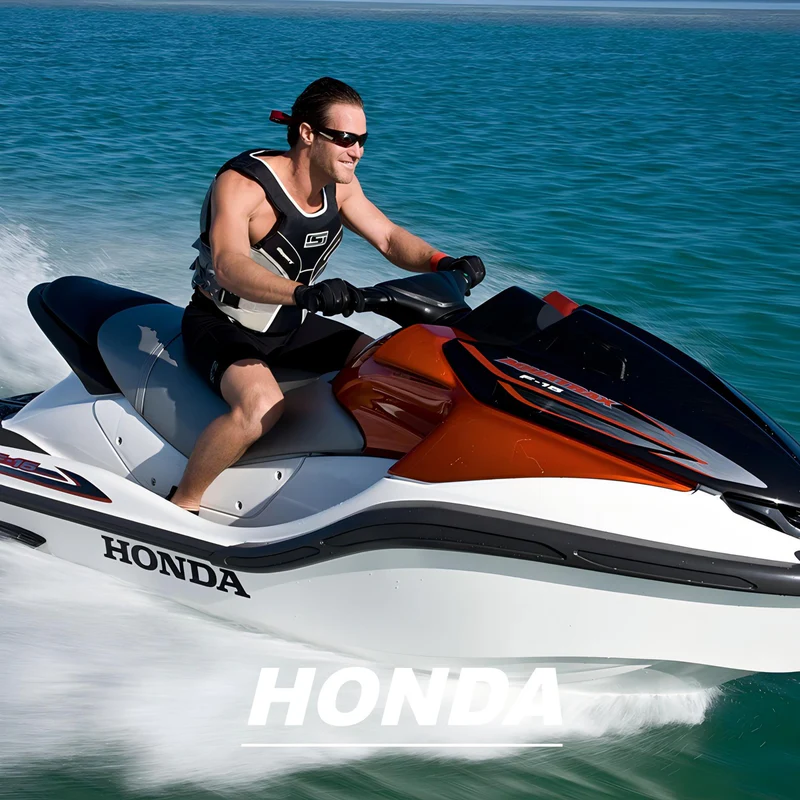
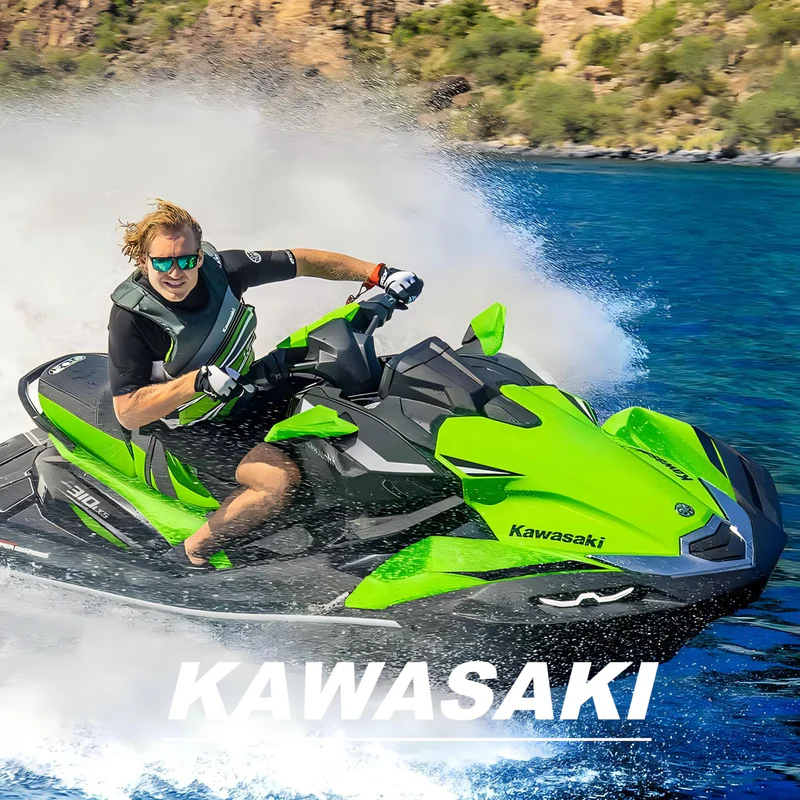
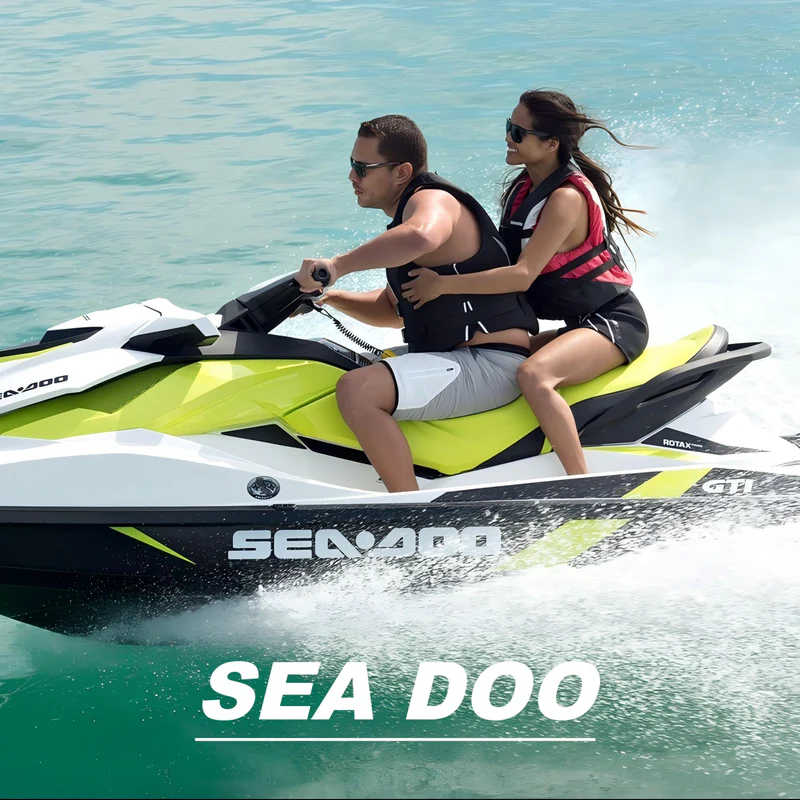
- Jet Ski
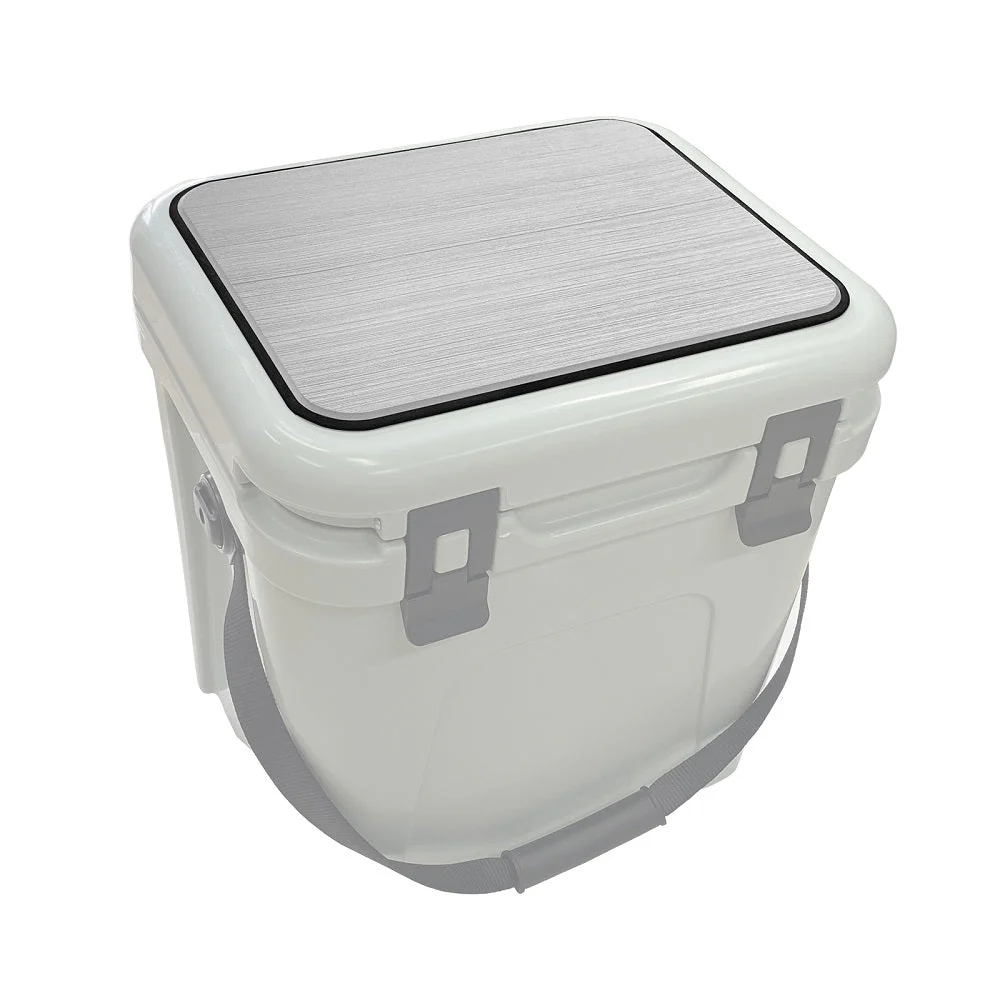
- Cooler Pads
-
 Hzsharks Southwest Cooler Pad for Yeti Tundra 45
$399.86Original price was: $399.86.$92.99Current price is: $92.99. -
 HZSHARKS Yeti Roadie 24 Cooler Mat
$20.99 – $24.99Price range: $20.99 through $24.99
HZSHARKS Yeti Roadie 24 Cooler Mat
$20.99 – $24.99Price range: $20.99 through $24.99
-
Hzsharks Cooler Cushion for Yeti Tundra 45
$69.99Original price was: $69.99.$55.99Current price is: $55.99.
-
- Fish Rulers
-
40" EVA Foam Fish Ruler for Boats
$38.99Original price was: $38.99.$21.99Current price is: $21.99. -
100cm Fish Ruler EVA Foam for Boats - Fish Measuring Stick
$19.99 – $23.99Price range: $19.99 through $23.99
-
Fish Ruler for Boats 48" EVA Foam Fish Measuring Board with Self-Adhesive Backing
$38.99Original price was: $38.99.$25.99Current price is: $25.99.
-
- Boat Nameplate
- Dash Pockets
- Tools
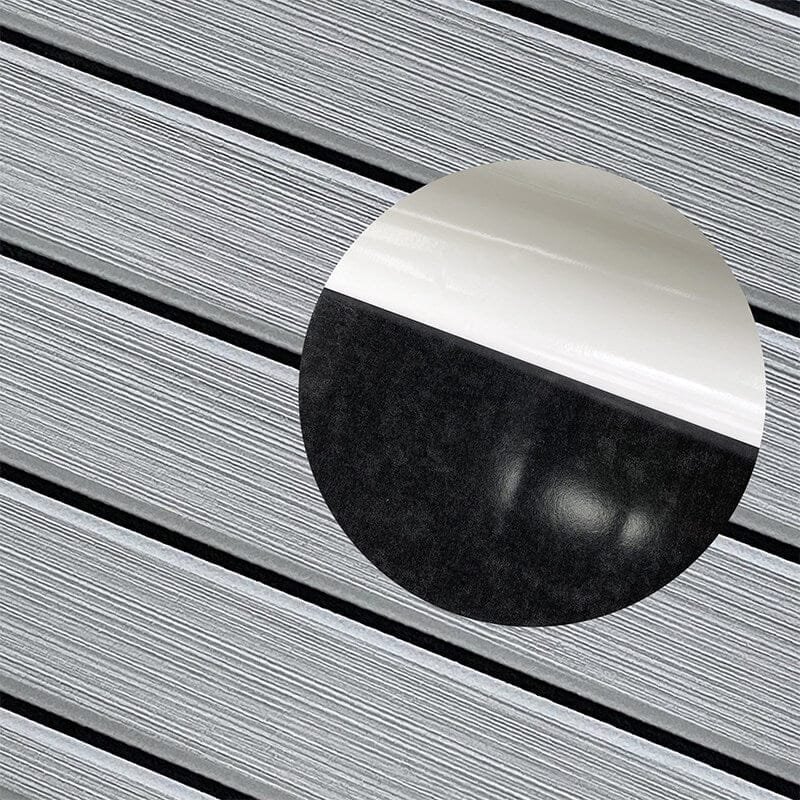










Comparing the Costs of EVA Foam Boat Flooring: Is It Worth the Investment?

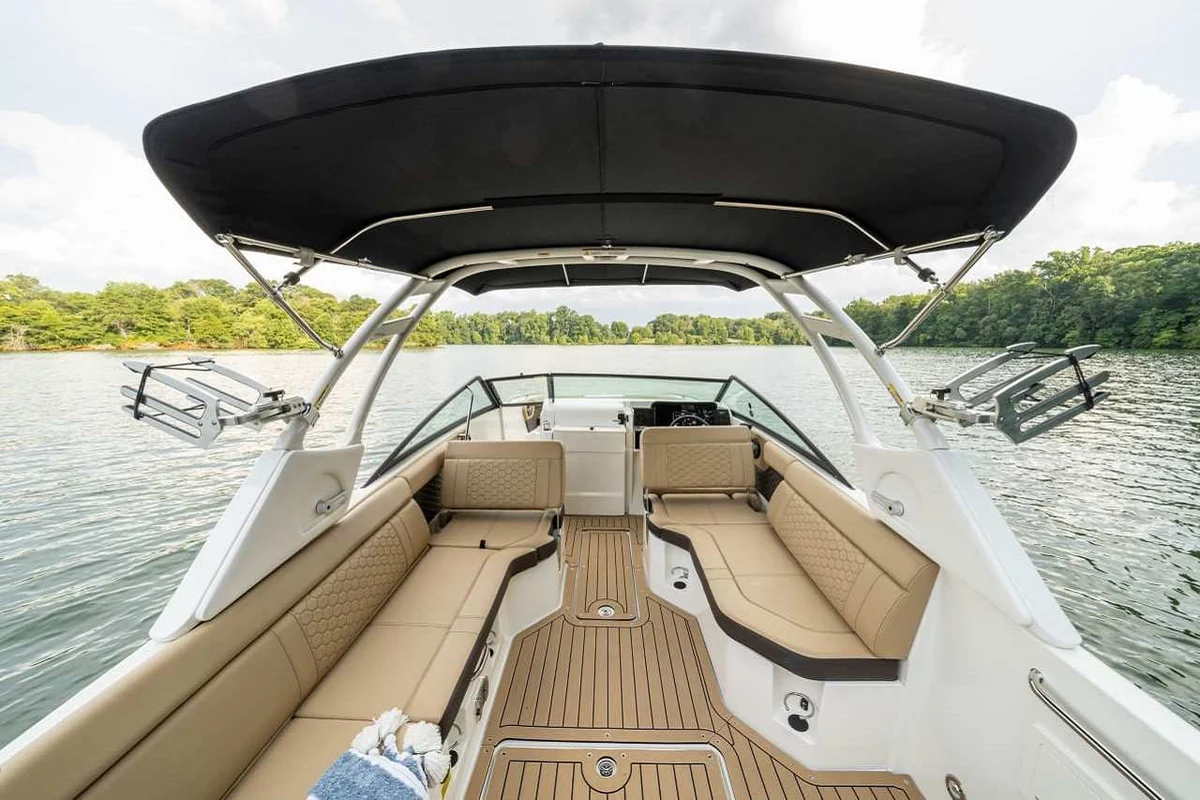
Are you contemplating an upgrade to your boat’s flooring and questioning the value of investing in EVA foam? Your search ends here! In this article, we will analyze the costs associated with EVA foam boat flooring in comparison to conventional alternatives and discuss the reasons it could be a wise decision for boat owners. Prepare to evaluate the advantages and disadvantages of this widely-used material as we investigate its worth in terms of both time and financial investment.
Introduction: The Benefits of EVA Foam Boat Flooring
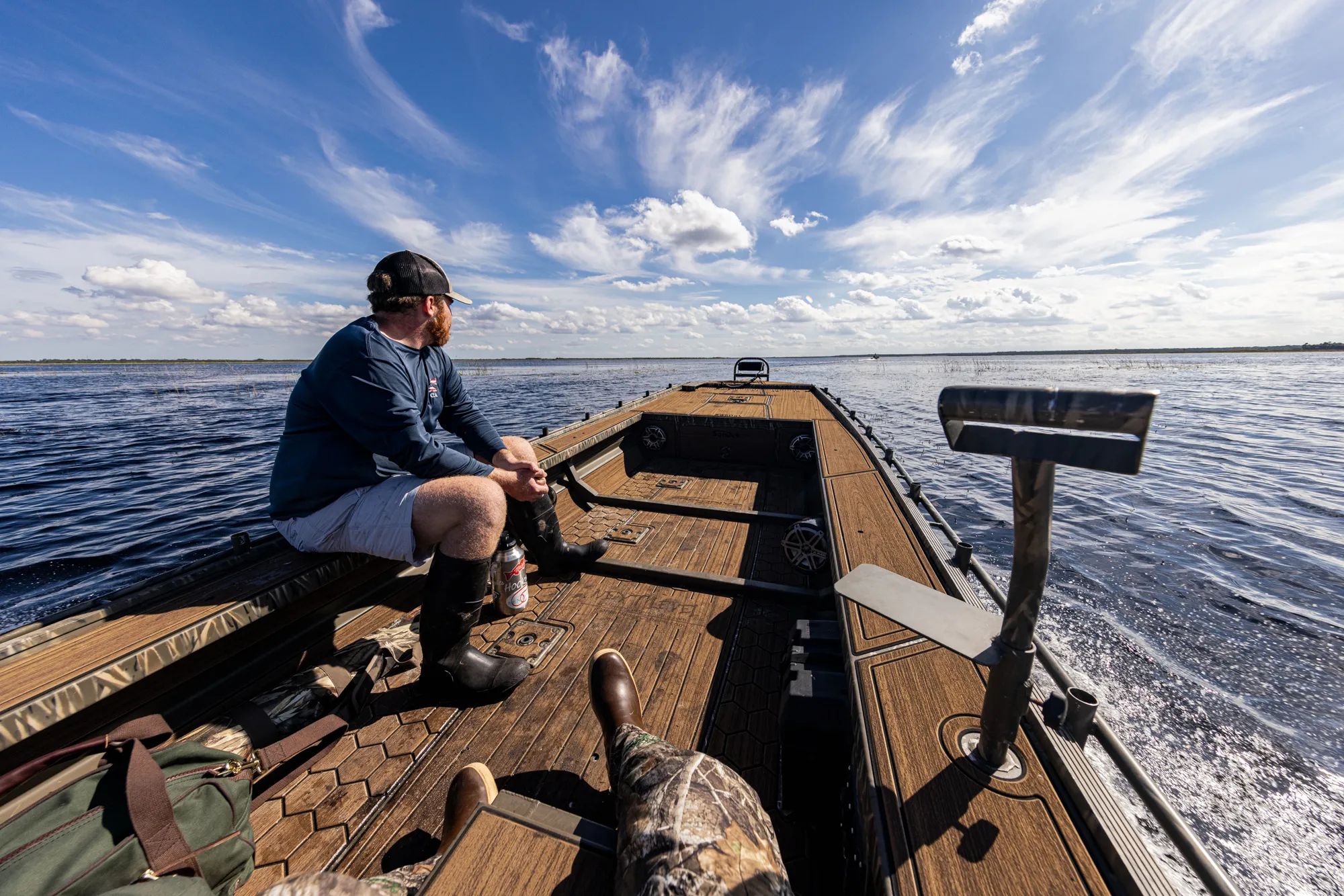
In the realm of boat flooring, various materials are available; however, EVA foam is gaining popularity among boat owners. This closed-cell foam, composed of ethylene-vinyl acetate copolymer, is both soft and durable, making it an excellent option for boat flooring. Beyond its comfort, EVA foam offers several additional advantages.
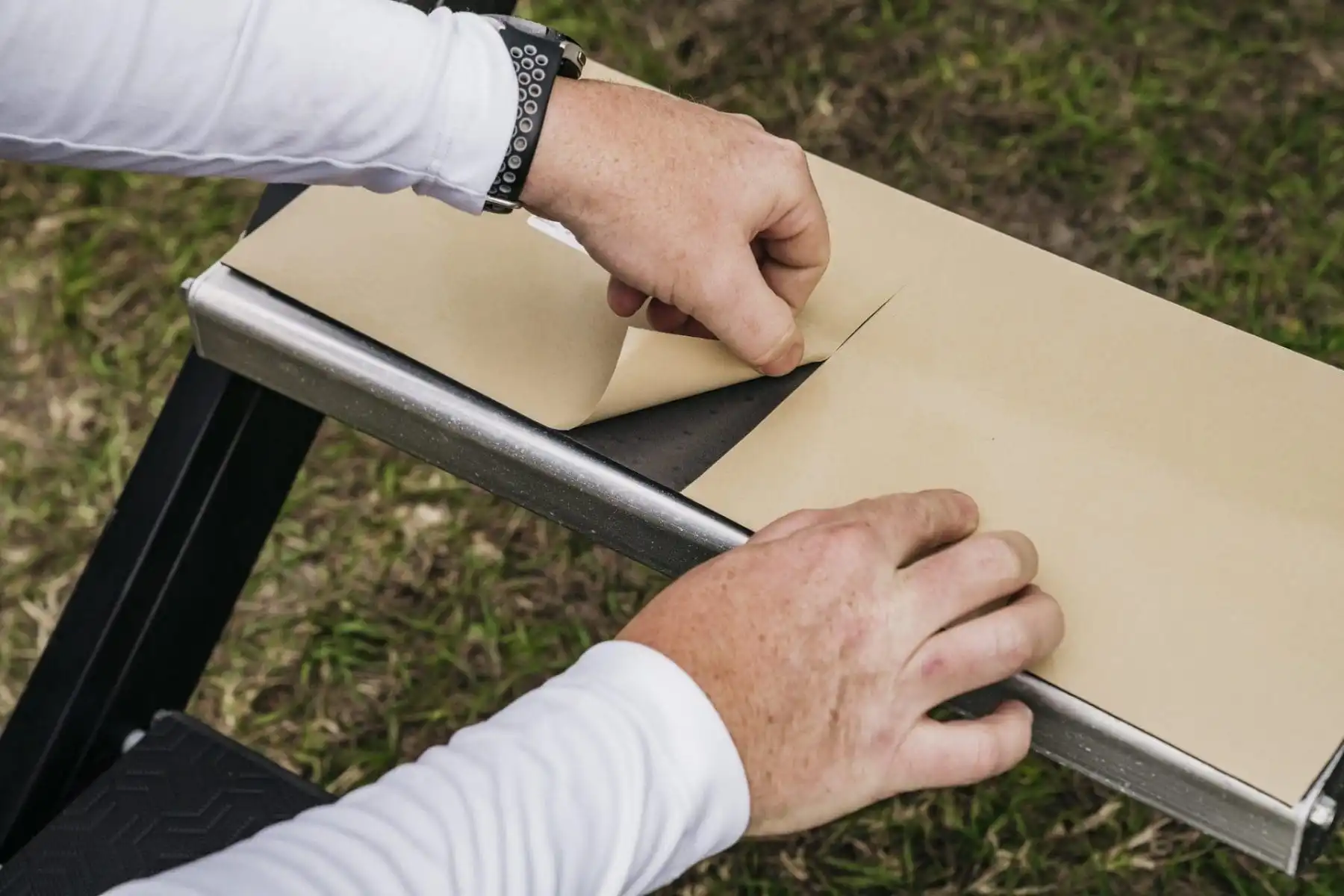
One of the primary advantages of EVA foam boat flooring is its straightforward installation process. Typically, it involves laying down the mats and trimming them to the desired size, making it a perfect choice for DIY enthusiasts or those looking to bypass the costs and complications associated with professional installation.
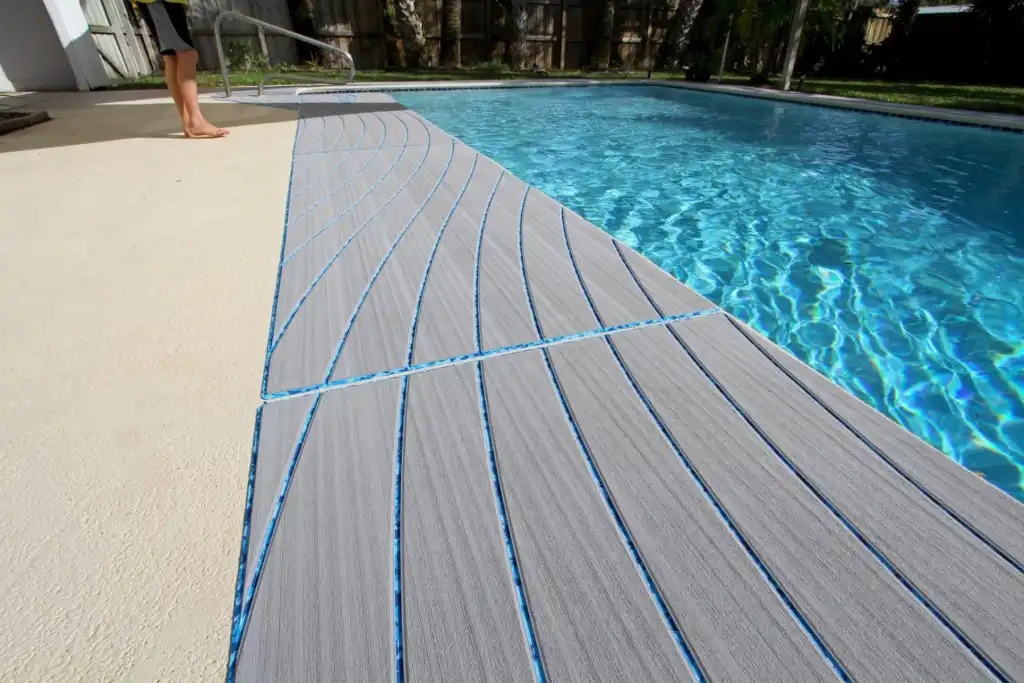
Another significant benefit of EVA foam is its superior traction. This feature reduces the likelihood of slips and falls on the deck, even in wet conditions. Furthermore, EVA foam provides effective shock absorption, which helps safeguard both you and your belongings from impacts while navigating the water.
Lastly, EVA foam boat flooring is remarkably easy to clean and maintain. Unlike other materials such as carpet or wood, EVA foam does not absorb spills or attract dirt and dust, requiring only a simple wipe with a damp cloth for upkeep.
Comparing Costs: EVA Foam vs Traditional Boat Flooring
Individuals who own boats have several flooring options available for their vessels, with EVA foam and traditional boat flooring being among the most favored choices. The question arises: which option represents the superior investment?
To assist you in making this decision, we will evaluate the costs associated with both EVA foam and traditional boat flooring. Additionally, we will discuss the advantages and disadvantages of each alternative, enabling you to make a well-informed choice for your boat.
EVA Foam Flooring: Pros and Cons
Pros:
- EVA foam is an exceptionally soft and comfortable material, making it perfect for locations where prolonged standing or walking occurs, such as on a boat deck. Additionally, its non-slip properties make it suitable for wet environments. The installation of EVA foam is straightforward, which can help reduce installation expenses. Furthermore, it is simple to clean and maintain.
Cons:
- While EVA foam is known for its durability, it does not offer the same level of rigidity as other flooring alternatives, such as conventional boat flooring. Additionally, prolonged exposure to UV rays can lead to deterioration, making it less suitable for boats that are stored in direct sunlight for extended durations.
Related Products:
Hzsharks Deep Striped Groove Foam Boat Flooring
Hzsharks Diamond Boat Foam Mats
Traditional Boat Flooring: Pros and Cons
Pros:
- Conventional boat flooring is highly resilient, capable of enduring significant wear and tear. Additionally, it requires minimal maintenance and is simple to clean.
Cons:
- The cost of traditional boat flooring exceeds that of EVA foam. Additionally, it necessitates professional installation, which further increases the overall installation expenses.
What Factors Affect the Cost of EVA Foam?
Several factors influence the pricing of EVA foam boat flooring. The first consideration is the type of foam chosen. There are three primary varieties of EVA foam: closed cell, cross-linked, and expanded. Closed-cell foam is the most costly option, yet it offers superior durability. Cross-linked foam is more affordable but lacks the same level of durability. In contrast, expanded foam is the least expensive choice, though it is also the least stable.
The second factor impacting cost is the foam’s thickness. Generally, thicker foam comes at a higher price point. However, denser foam tends to have a longer lifespan and provides enhanced insulation compared to thinner alternatives.
The third element affecting the cost is the size of the boat. Larger vessels will necessitate more flooring material, thereby increasing the overall expense.
Lastly, the fourth factor to consider is whether you will undertake the installation yourself or hire a professional. If you choose to install the flooring, you will need to acquire adhesive and tools. While hiring a professional may incur additional costs, it could be a worthwhile investment if you lack confidence in your DIY skills.
Is EVA Foam Worth the Investment?
EVA foam flooring has become a favored option among boat owners due to its affordability and straightforward installation process. However, is investing in EVA foam truly worthwhile? Let us examine the advantages and disadvantages of EVA foam to assist you in determining whether it is the suitable option for your vessel.
Pros:
- EVA foam is highly resilient and can endure for several years if properly maintained. It is also simple to clean and upkeep. This material offers excellent grip, even in wet conditions, ensuring a safe flooring choice for boats. Additionally, EVA foam comes in a range of colors and textures, allowing for customization of your boat’s flooring appearance. Being lightweight, EVA foam will not significantly increase the overall weight of your boat.
Cons:
- EVA foam can become slick when exposed to moisture, making it essential to select a textured option or one that features a nonslip surface treatment. Additionally, to preserve its water-resistant characteristics, EVA foam may need to be resealed periodically. Furthermore, some individuals may experience discomfort when standing on the closed-cell structure of EVA foam for prolonged durations.
Features and Benefits of EVA Foam Boat Flooring
When considering flooring options for boats, a wide variety is available in the market. Among these, EVA foam boat flooring is gaining popularity among boat owners. EVA foam, a type of closed-cell foam, is frequently utilized in numerous applications, including as cushioning for boat decks.
EVA foam boat flooring offers several advantages, such as cost-effectiveness, resilience, and comfort. In terms of cost, EVA foam is generally more affordable compared to other flooring materials like carpet or wood. Regarding resilience, this foam can endure significant wear and tear without sustaining damage easily. Lastly, in terms of comfort, EVA foam presents a softer walking surface than many alternatives, enhancing the overall experience for users.
How to Choose the Right EVA Foam for Your Boat
When selecting the appropriate EVA foam for your boat, several factors should be taken into account. Firstly, the foam’s density and thickness will influence both its cost and longevity. Generally, a thicker and denser foam will incur a higher price but will also offer greater durability. Therefore, if you intend to use your boat frequently, investing in a thicker foam may be a wise decision.
The color of the foam is another important consideration. Some individuals opt for lighter shades, as they tend to conceal dirt and stains more effectively. Conversely, others may prefer darker hues, which are less prone to showing scratches. Ultimately, the choice of color is a personal preference.
Lastly, you should determine whether you prefer a smooth or textured surface. A smooth surface is simpler to clean but may become slippery when wet. In contrast, a textured surface offers enhanced grip but can be more challenging to maintain. The decision between the two surfaces ultimately rests with you.
Conclusion
In summary, EVA foam boat flooring represents an excellent investment for boat owners seeking to enhance both the aesthetics and comfort of their vessels. Although the upfront installation expense may appear substantial, it ultimately leads to cost savings over time, as it requires less frequent replacement compared to alternative flooring options. Additionally, EVA foam is a lightweight and non-toxic material that effectively insulates against sound and heat, while also offering a comfortable surface to walk on. All these factors contribute to a worthwhile investment in the longevity and enjoyment of your boat.